
How Dennis and Josi Opolentisima Are Reimagining Church Planting Through Mission, Kickboxing, and Presence
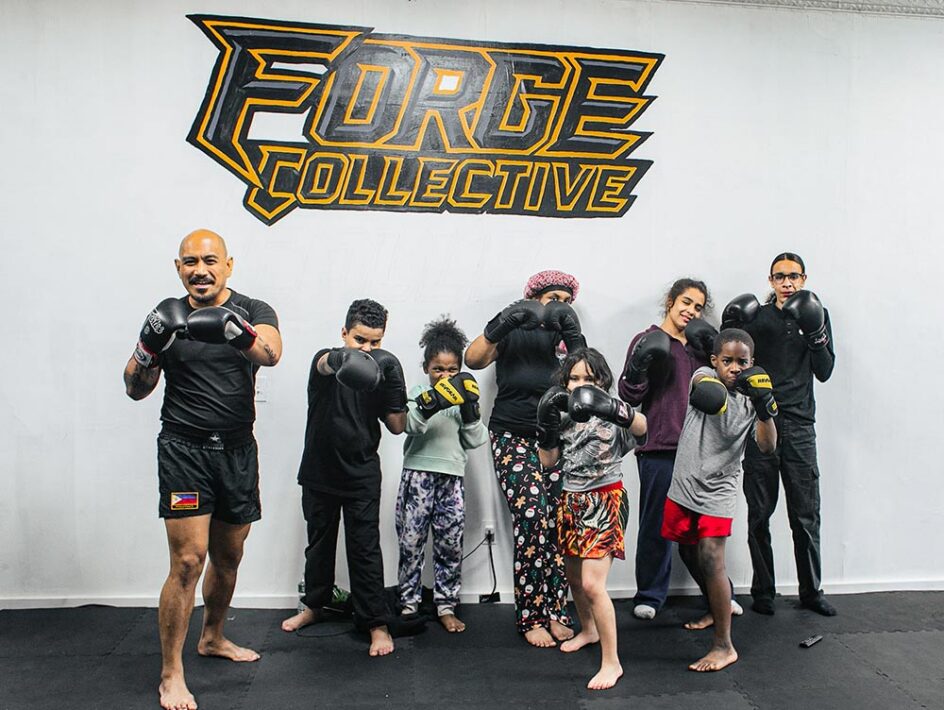
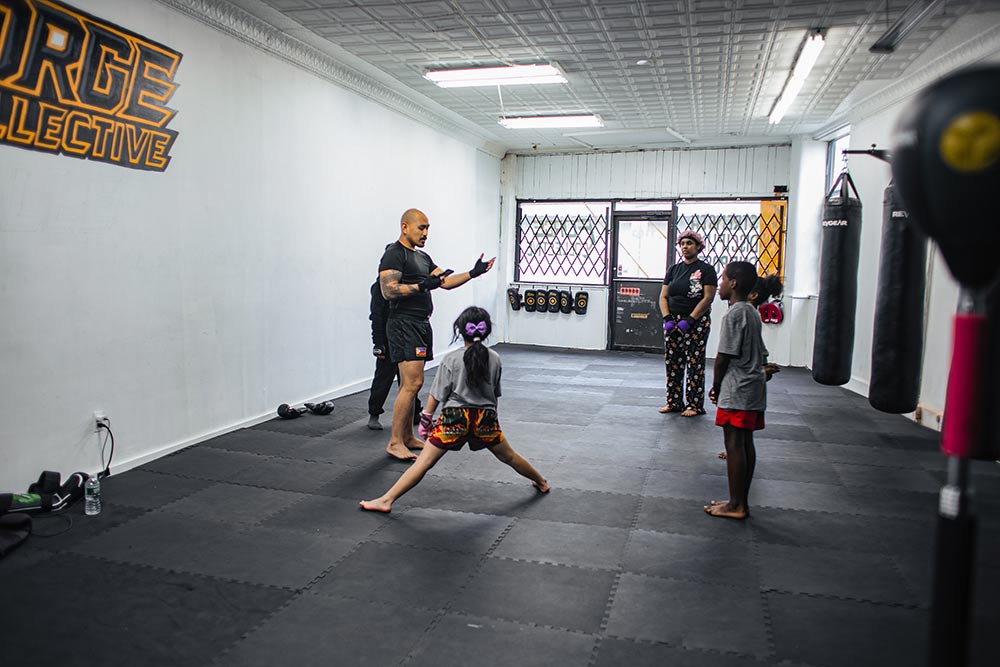
In Rochester, New York, tucked inside a nonprofit kickboxing gym filled with heavy bags, gloves, teenagers, and conversations about life, the gospel is quietly spreading.
Dennis and Josi Opolentisima are living out a covocational vision for church planting rooted in presence, discipleship, and missionary engagement in the city. A covocational strategy intentionally uses work as a platform to reach the community through the unique relationship opportunities vocational life creates.
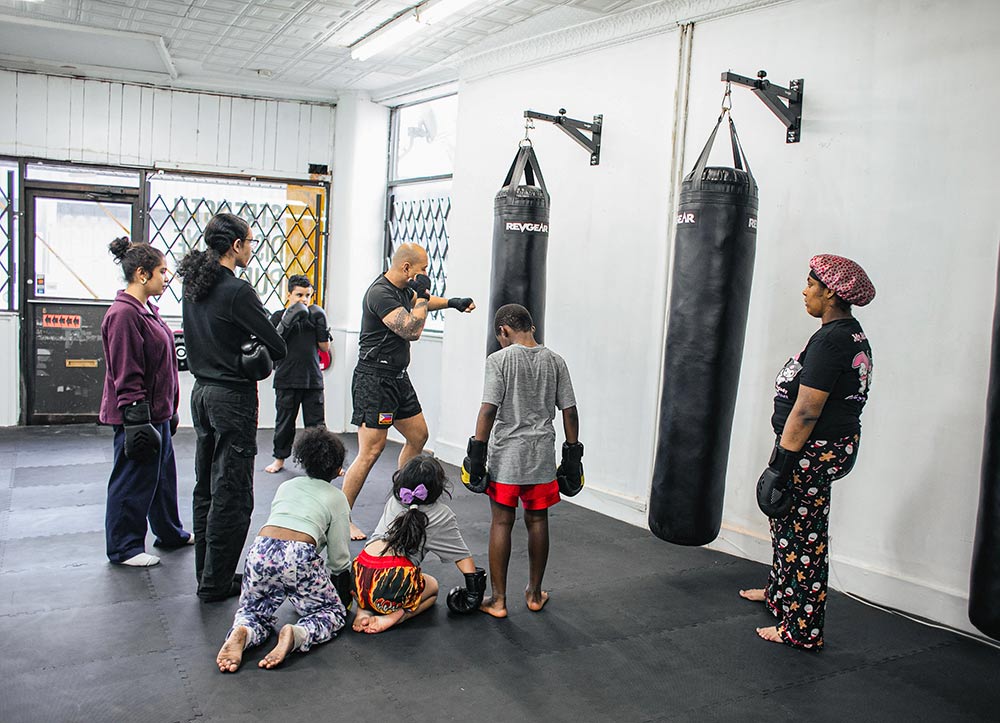
Alongside the gym is their church plant, The Embassy Church, which currently meets in homes. Their nonprofit youth outreach, The Forge Collective, serves students through Muay Thai and kickboxing training. Together, the church plant and nonprofit form an integrated ecosystem for discipleship, community engagement, and gospel witness.
For Dennis, this vision was not born in a strategy meeting. It was forged through pain, redemption, and years of wrestling with what it truly means to follow Jesus in a post-Christian culture.
From the Streets to Redemption
Born in Manila, Philippines, Dennis moved with his family to the United States and by middle school found himself drawn into hip hop culture, street life, and eventually gang involvement. “Gang life became what I considered family,” he shared.
What started as local gang involvement escalated, and Dennis eventually served a six-month jail term. While incarcerated, a faithful man named Brother Rick visited week after week, proclaiming the gospel.
Over time, God transformed Dennis’s heart. “I had new desires,” he explained. “I just felt out of place in my former life.” Dennis prayed a desperate prayer: “God, my life and my family’s life are in Your hands now.” That moment changed everything.
Dennis began following Christ wholeheartedly, eventually attending seminary, serving in pastoral ministry, and developing a growing burden to rethink discipleship and mission.
Reimagining Church Planting
After seminary, Dennis became lead pastor of a Southern Baptist church in Northern California. But even while serving faithfully, he sensed God calling him to embrace incarnational missional living in new ways.
He began asking hard questions: How did Jesus actually make disciples? What would it look like to prioritize relationships over programs and events? Why does discipleship so often feel disconnected from everyday life?
Those questions intensified after Dennis and Josi moved to Rochester, New York. As he invested in relationships at a local MMA gym, he began to see fruit through the community that had formed there. Conversations kept returning to Jesus—and lives were being transformed. Dennis began to sense that Jesus was inviting him into incarnational living woven into the fabric of the city.
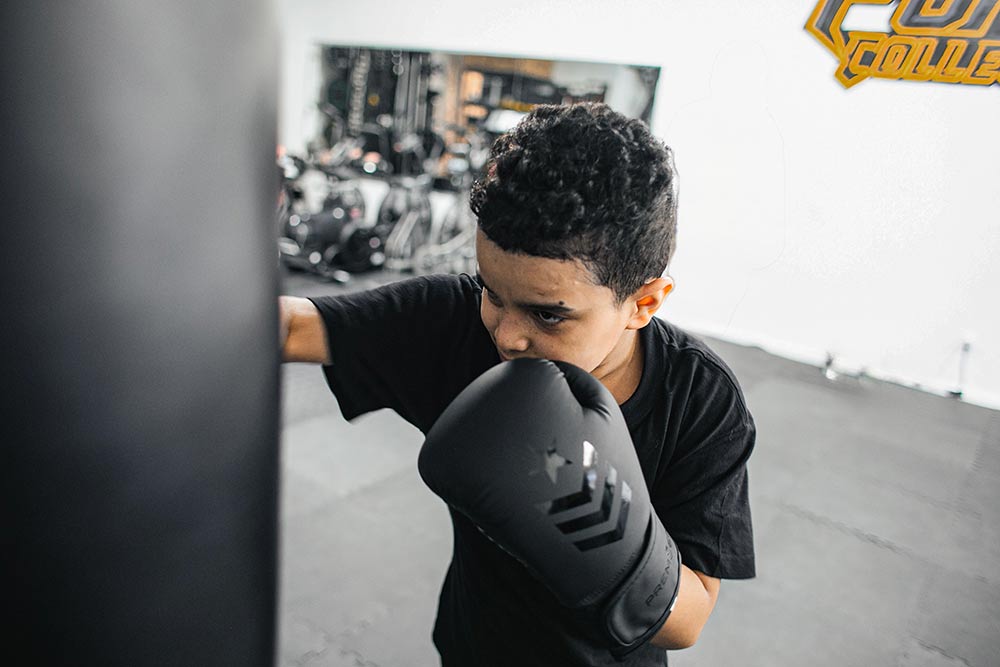
In a context where 73% of students grow up without a father in the home, Dennis felt called to pour into youth through kickboxing and Muay Thai. Coming from an at-risk background himself, he kept thinking: “If I had access to a gym community centered on God when I was younger, maybe I wouldn’t have gotten into so much trouble—and found Jesus sooner.” Amid street culture, his own testimony of redemption became the bridge for young people seeking truth.
“If I had access to a gym community centered on God when I was younger, maybe I wouldn’t have gotten into so much trouble—and found Jesus sooner.”
Living Like Missionaries in the City
The realization that we must think and live like missionaries became foundational for Dennis and Josi. Rather than building ministry solely around Sunday services, they began envisioning church as a decentralized network of disciples living intentionally throughout the city.
They named their church plant The Embassy Church, inspired by the idea of a place where people encounter the love, presence, and hospitality of Jesus, where ordinary believers recognize themselves as ambassadors for Christ sent into everyday spaces.
Josi’s background prepared her for this vision in unexpected ways. Raised in a conservative Christian home, she spent years serving in Asia with Frontline Ministries before marrying Dennis. That experience taught her to build relationships, practice hospitality, and connect people with underground churches in a deeply relational, missionary context. When Dennis began rediscovering incarnational discipleship in Rochester, Josi immediately recognized it as the same kind of missional living she had experienced in Asia.
Today, the Opolentisimas are applying those same missionary principles in New York. Dennis describes their posture this way:
“Honestly, I’ve probably engaged the city more deeply through this than I ever did in traditional ministry. We’re attending neighborhood coalition meetings with police officers, city officials, nonprofits, and community leaders. At the last meeting, I introduced myself and shared my vision for the gym. The response was incredible. People immediately started asking how they could support or participate.”
Their church plant gatherings now draw both Christians and non-Christians—including Muslims and people simply exploring faith. Real friendships have formed across backgrounds. Those relational connection points, Dennis says, are the whole strategy.
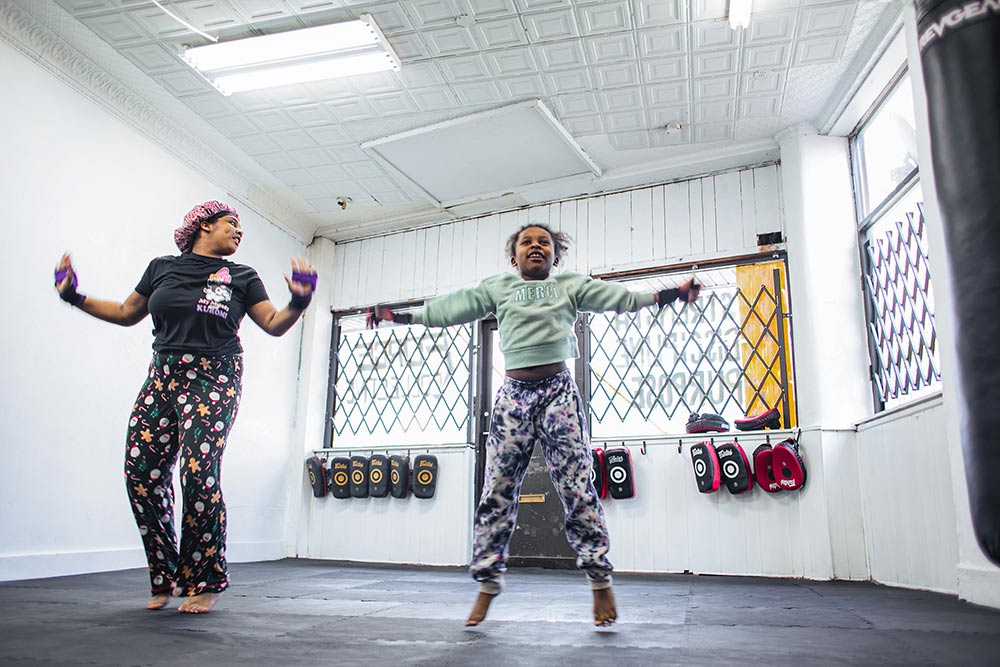
Josi added: “Learning to lean into God’s call on our lives has not always made sense, but at every turn we’ve been met with the kindness of God. He continues to unfold the unique ways He crafted us to move through the world. Restorative kingdom work in our context looks like beautifying neighborhoods through painting murals as well as creating a grounded culture amidst chaos through hitting heavy bags.”
The Forge Collective
The nonprofit gym also creates long-term sustainability. Personal training clients support the space, while grants, donors, and community partnerships open doors that a traditional church model alone could not. Dennis believes this approach reflects a broader shift: the rediscovery of early church practices—smaller communities, shared life, neighborhood presence, and decentralized discipleship—reaching people who would never walk through the door of a traditional church.
In Embassy Church gatherings, Christians and non-Christians share meals together. Questions are welcomed, prayer is woven into the culture, and people naturally share their faith.
Faith in the Unknown
The path has not been easy. When Dennis and Josi stepped away from traditional ministry structures, they left behind financial security and predictability. There was no blueprint. No guaranteed funding. No certainty about how it would all work.
But Dennis continues to return to one conviction:
“You don’t need certainty in the plan. You need certainty in who God is.”
He describes their journey as a “Peter stepping out of the boat moment.” The story of Abraham in Genesis 12 became especially meaningful. God didn’t give Abraham every detail. He simply said, “Go.”
Dennis believes many leaders sensing God’s call into covocational ministry or missionary church planting wrestle with fear because the path feels unfamiliar or unknown. Yet he has seen God provide again and again.
“There’s never been once where our needs haven’t been met,” he said. “God has been faithful through it all.”
For Dennis and Josi, living missionally in the city isn’t ultimately about strategy. It’s about trust. Trusting that God is already at work. Trusting that discipleship happens in everyday spaces. Trusting that the gospel still transforms lives—in the mundane rhythms and in the extraordinary. Trusting that even a former gang member from the streets can become a faithful ambassador of the kingdom.
As heavy bags swing inside a small Rochester gym and students gather each week to train, laugh, ask questions, and hear about Jesus, the kingdom quietly advances—one relationship at a time.
Dennis and Josi are NAMB missionaries. You can support their work here:
https://missionaries.namb.net/full/dennis-opolentisima?version=60586
Based on an interview transcript with Dennis Opolentisima.